The Commons Walk
A moment of fresh air. A millennium of peace.
A free public walk through Earth, Air, Fire, and Water.
Not everything beautiful needs admission.
A public walk in the hills of Vermont.
Built slowly since 2019 by neighbors, students, gardeners, builders, and seasonal stewards.
You are invited to move through the four elements at your own pace.
ENTRY
EARTH — What holds
AIR — What moves
FIRE — What gathers
WATER — What returns
These are not symbols. They are places.
FIRE — THE WORK STILL FORMING
The Commons Walk is still becoming.
Seventy-seven percent of the path is already built through years of care, labor, and seasonal return — by neighbors, students, builders, gardeners, and those who simply showed up to help shape what did not yet exist.
What remains is the final work of completion:
bridges, signage, gardens, and threshold structures that allow the walk to open fully to the public.
This is the part still forming in human hands.
WATER — TO COMPLETE THE PATH
The remaining work will carry The Commons Walk into its public unfolding.
Support at this stage does not “fund a project.”
It completes a passage already in motion.
$20,000 remains to bring the final elements into place and open the walk fully to the public in the coming season.
If you choose to contribute, you are not stepping outside the walk — you are helping it continue.
EXIT
Take what you noticed.
Leave what you can.
The Commons Walk continues.
NEARLY THERE
77% of the Commons Walk is complete.
The remaining work will finish bridge elements, signage, and gardens needed to open the walk fully to the public.
Built through thousands of hours of labor and care, and shaped over years of tending on the land.
Visitor Information
The Elemental Healing Walk is a free, public, ¼-mile botanical path. It is an accessible walk (or wheelchair roll) for just about anybody, designed to bring peace to everybody.
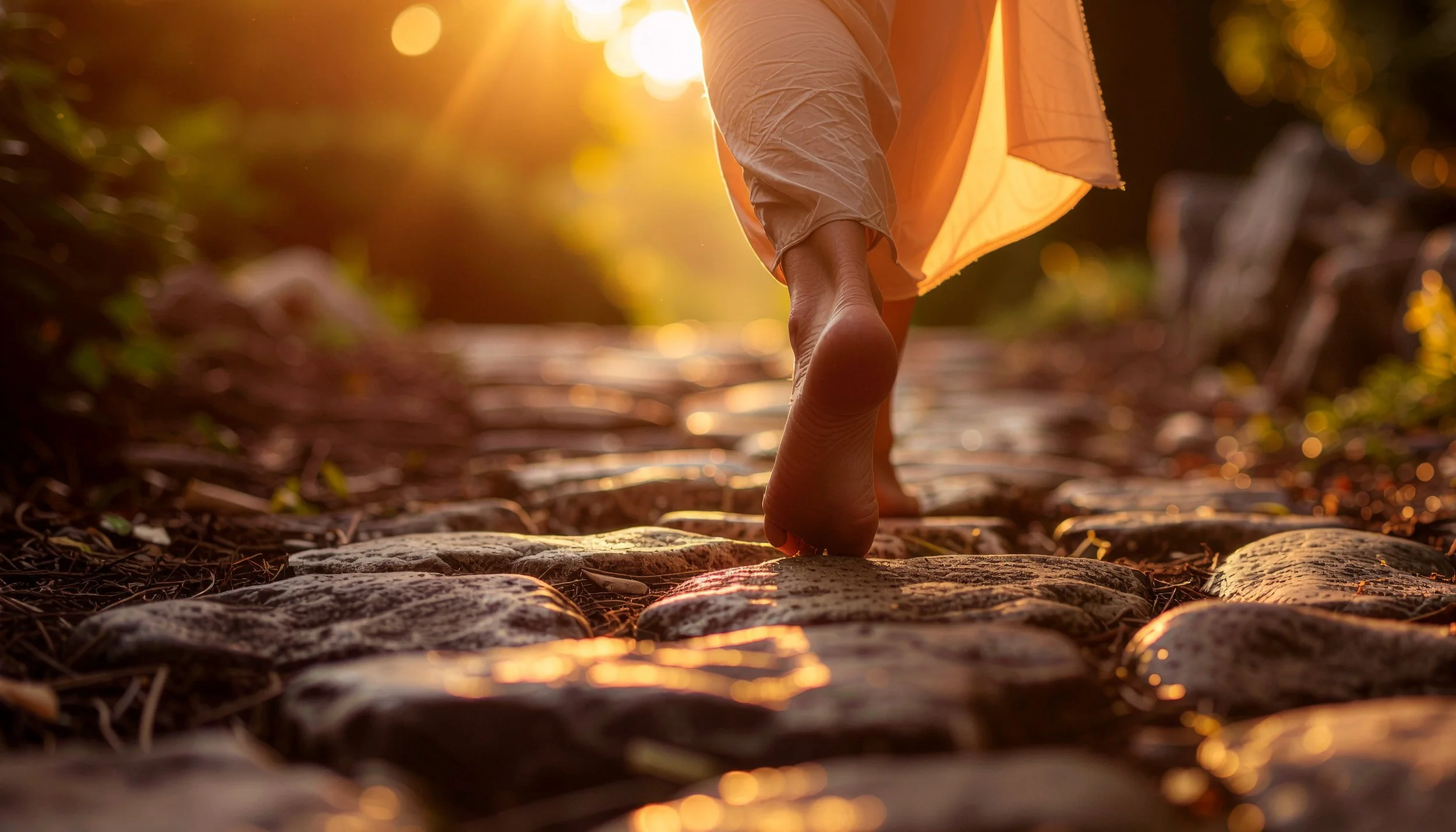
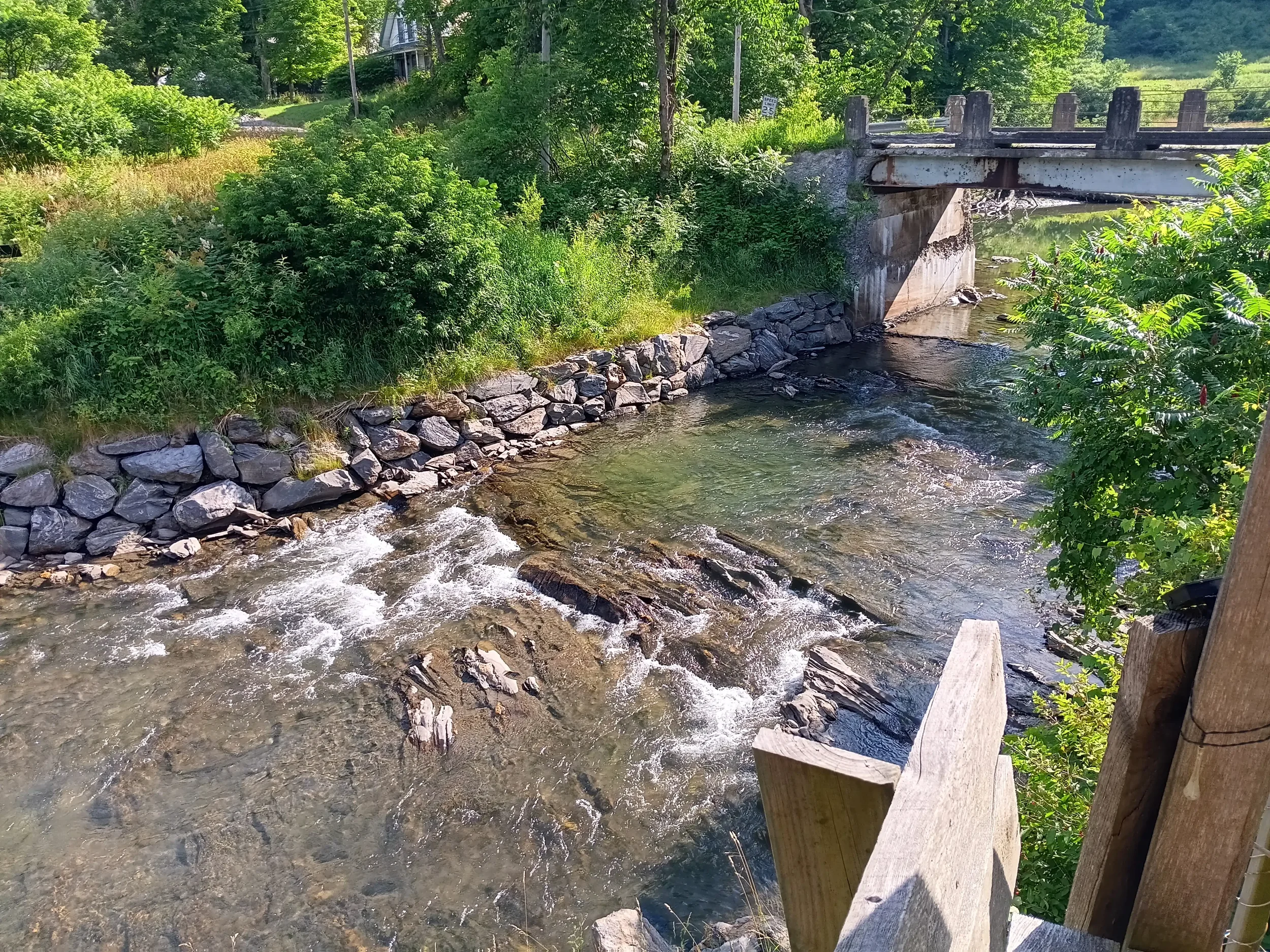
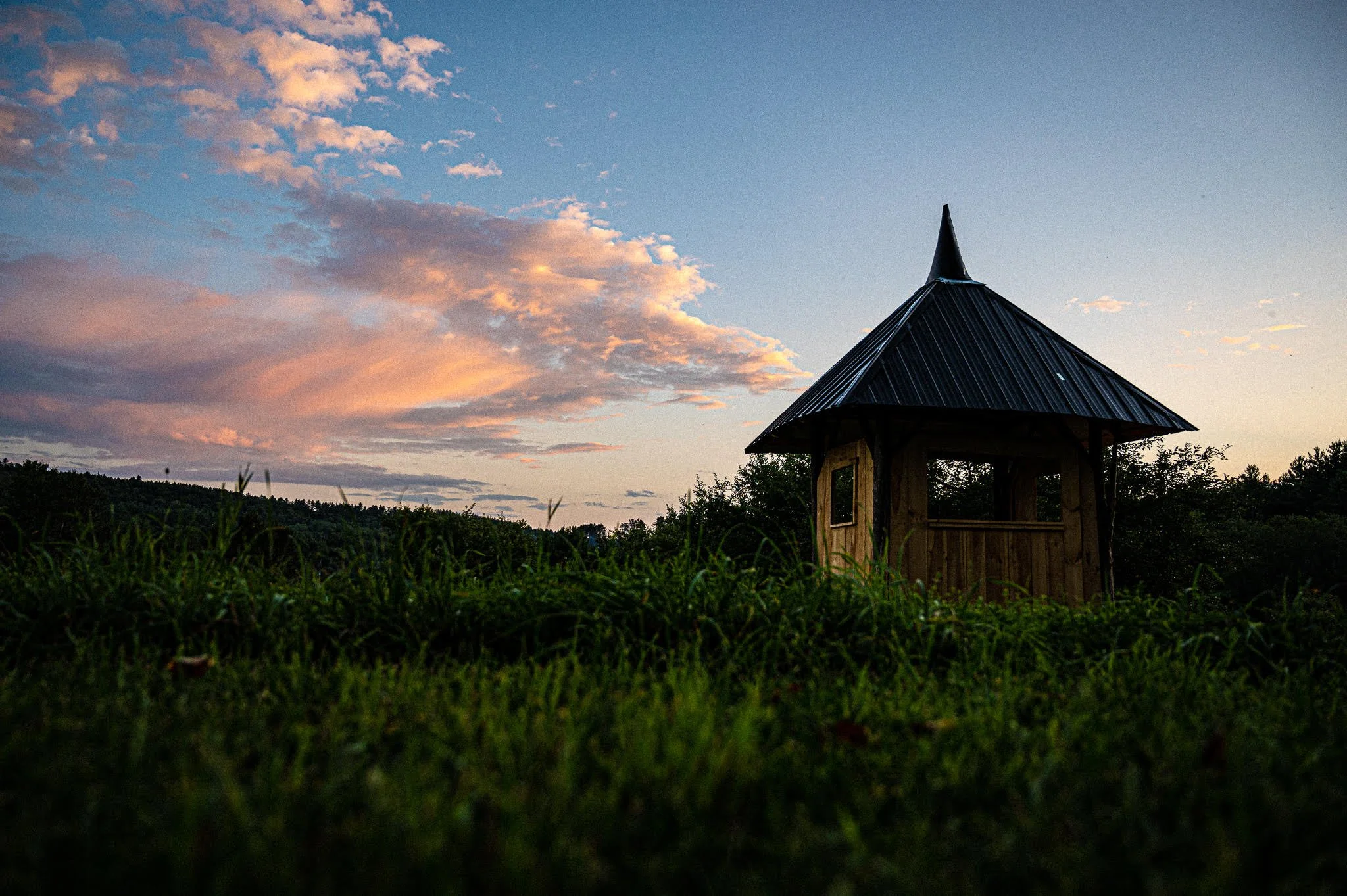
From the parking area, a low-impact trail takes you toward a pond, across a creek, uphill to a fire hearth, and along a gentle ridge to a pagoda with a sound bowl. Before departing, you can pause on a stone bench at the pollinator garden, brimming with colorful blooms.
Upon completion of the project, locals, travelers, families and campers will enjoy this nature oasis, May through October from sunrise until sunset.
The Four Stations
EARTH for grounding and grief: the body remembering its weight
AIR for breath and voice: releasing what has been held too tightly
FIRE for transformation: honoring what must burn to become fertile again
WATER for compassion: the flow that connects all who have been named and unnamed
Walkers are invited to pause, listen, and interact in their own way. You might leave a stone, a breath, a word, or a tear. The elements receive without judgment. The Elemental Healing Walk grows from the soil of exile - a practice of meeting discomfort with curiosity and choosing relation over erasure.
Location
61 Onion River Road
Plainfield, VT 05667 USA
802-426-3233
The Elemental Healing Walk lives on the grounds of Onion River Campground, a community space that for years has offered affordable, transitional, and seasonal homes. Its soil has already absorbed countless stories of arrival, loss, and renewal; the walk simply continues that teaching. Visitors are guests of the land and of the community that stewards it - please walk with respect for both.
The walk has been consciously designed and maintained for wheelchairs, while not ADA approved, with a low grade on the upslope and well-mowed ground.
Origins
This memorial pathway was begun in 2019 from an inspiration of Susan Clark, a resident of this land. She was horrified to learn that her ancestor had served on the jury that unlawfully condemned John Proctor to death in the Salem Witch Trials. The Elemental Healing Walk invites the grief of all the historical bullies & bullied ones alike. It is where the condemners & condemned may both lay down their suffering together.
The earth knows how to compost everything we bring to her, especially the suffering of our hearts
Copyright © 2026 Elemental Healing Walk. All rights reserved.